

Reading the Room: Nonverbal Signals That Steer Minute Negotiations in Conversation
Today we dive into reading the room—nonverbal signals that steer minute negotiations in conversation—so you can sense shifting power, subtle resistance, and hidden invitations before any word is spoken. Expect practical tactics, vivid stories, and experiments you can try within your next meeting or casual chat. We will decode facial micro-movements, tone, posture, space, and silence, building a reliable compass for high-stakes and everyday moments alike. Share your experiences at the end, ask questions, and help this community sharpen its shared intuition together.
First Impressions, Lasting Leverage
The first half minute of contact quietly decides how much room you have to maneuver. Micro-negotiations start with glances, stillness, and how you hold your notes. We will script a more intentional entrance, tune to baseline behaviors, and notice deviations that reveal unspoken stakes. By learning to breathe with the moment, match energy without parroting it, and arrange your tools thoughtfully, you can signal respect, preparedness, and calm authority before you even introduce yourself.

Establishing Baselines in Real Time
Reading shifts starts with recognizing what counts as normal for this person, in this context, today. Notice resting posture, typical blink rate, and usual vocal rhythm. Then, track departures: a sudden foot tuck, a clipped sentence, a longer exhale. A product manager once spotted a tiny lip press before budget talk and paused to ask a clarifying question, preventing an unseen objection from solidifying. Calibrating to baseline turns micro-surprises into helpful signposts rather than confusing noise.

Group Temperature Checks
Rooms breathe as organisms. Scan for clusters forming, chairs angling toward or away, synchronized nods, and uneven note-taking. A quick, low-stakes question can map attention and tensions instantly, revealing who leads by silence and who seeks an opening. In one design review, a small ripple of shared eye contact flagged a hidden consensus forming backstage. The facilitator paused slides, invited short reflections, and harvested quiet agreement into clear next steps before side conversations hardened into resistance.
Faces Tell Micro-Truths
Faces leak tiny truths that words try to manage. Micro-expressions can flash and fade in a blink: the tightening jaw of reluctance, a fleeting brow raise of surprise, or a compressed smile signaling social politeness over genuine delight. While no single cue proves intent, clusters tell richer stories. Research on facial action coding inspires careful noticing, but humility must guide interpretation. Combine observed patterns with kind questions so people feel understood rather than scrutinized, and conversation unfolds with trust.
Brow Flashes and Blink Rates
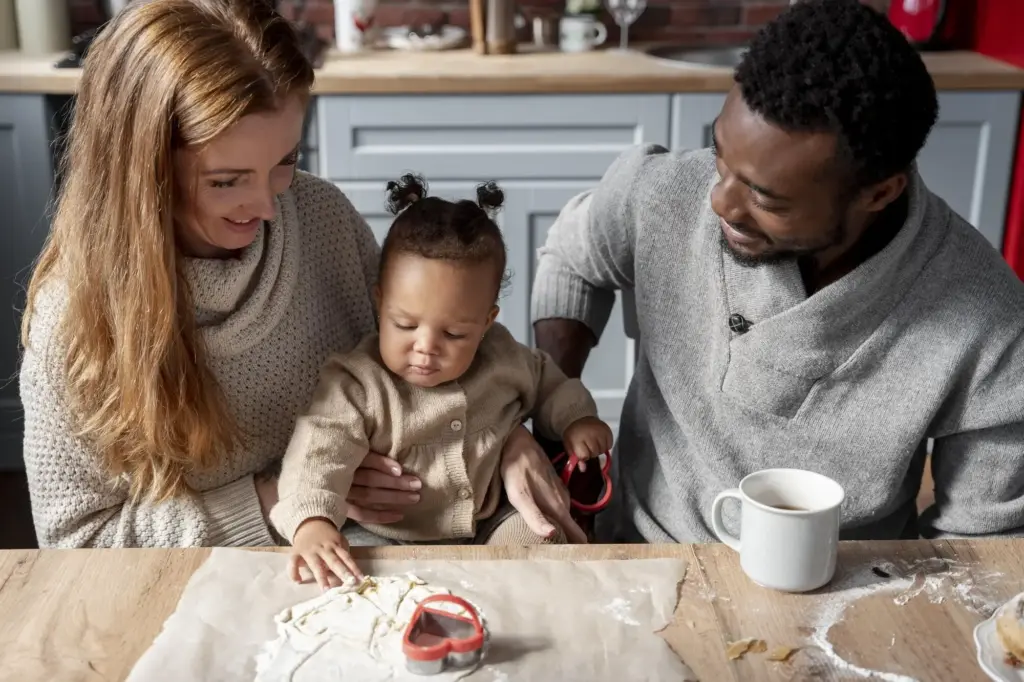
Fast blink spikes often accompany cognitive load or stress, while slower, steadier blinks can reflect comfort or disengagement depending on the context. A brief brow flash can welcome an idea, but repeated, asymmetrical flashes may signal uncertainty. During a hiring panel, a candidate’s blink rate surged when discussing timelines, prompting a supportive follow-up that clarified bandwidth constraints early. These light-touch observations do not diagnose; they guide compassionate curiosity and smarter pacing that allows clarity to surface without pressure.

Smiles: Genuine, Polite, or Strategic
Not all smiles cheer a proposal. A Duchenne smile wrinkles the eyes and softens cheeks, while a polite smile often stays mouth-bound and time-limited. Strategic smiles can appear as shielding, cushioning tensions while a counterpoint forms. A sales lead noticed eye corners staying still during a client’s frequent grins and invited candid hesitations. The room eased, skepticism appeared, and a new timeline emerged. Distinguish encouragement from appeasement, then respond with gratitude for honesty rather than pushing harder.
Posture, Gesture, and the Architecture of Space
Bodies negotiate territory and cooperation long before agendas appear. Open shoulders, uncrossed ankles, and a gentle forward tilt can invite exchange; hard leans, guarding arms, and angled torsos may request distance. Space design matters: diagonals reduce combativeness, shared views of a whiteboard unite attention, and equal access to materials communicates fairness. Learn to offer presence without crowding, and to claim room without threat. When posture, gesture, and layout align, collaboration becomes physically easier and emotionally safer.


Voice, Silence, and the Music Between Words
Tone, pace, and pauses craft meaning more powerfully than perfect phrasing. A softer attack warms edges, a slower cadence invites reflection, and calibrated silence transforms ambiguous space into generous invitation. Rising intonation can accidentally turn clear statements into questions, eroding perceived certainty. The artistry lies in contrast: purposeful quiet following a proposal, then a warm, low reassurance when concerns surface. When you conduct the music between words with care, concessions emerge as shared discoveries instead of pressured capitulations.

Context, Culture, and Neurodiversity
Signals vary across cultures, communities, and minds. A direct gaze can welcome connection in one setting and challenge authority in another. Some colleagues rely on explicit verbal clarity more than implied cues, while others speak richly through gesture or rhythm. Inclusive negotiation means asking preferences rather than assuming norms, offering written follow-ups, and allowing processing time. Approach differences with curiosity and consent. When people feel respected for how they naturally communicate, they bring sharper insight, steadier trust, and better outcomes.
Practice That Sticks
Skill blooms through repetition and reflection. Build tiny daily reps: one mindful entrance, one calibrated pause, one spatial adjustment, one warm repair. Journal quick observations to sharpen pattern memory. Run low-risk experiments with friends or peers and collect feedback kindly. Convert wins into checklists and misreads into teachable stories. Most of all, invite the room to train you by watching reactions closely. Share what you learn with us, comment your experiments, and subscribe to grow together consistently.